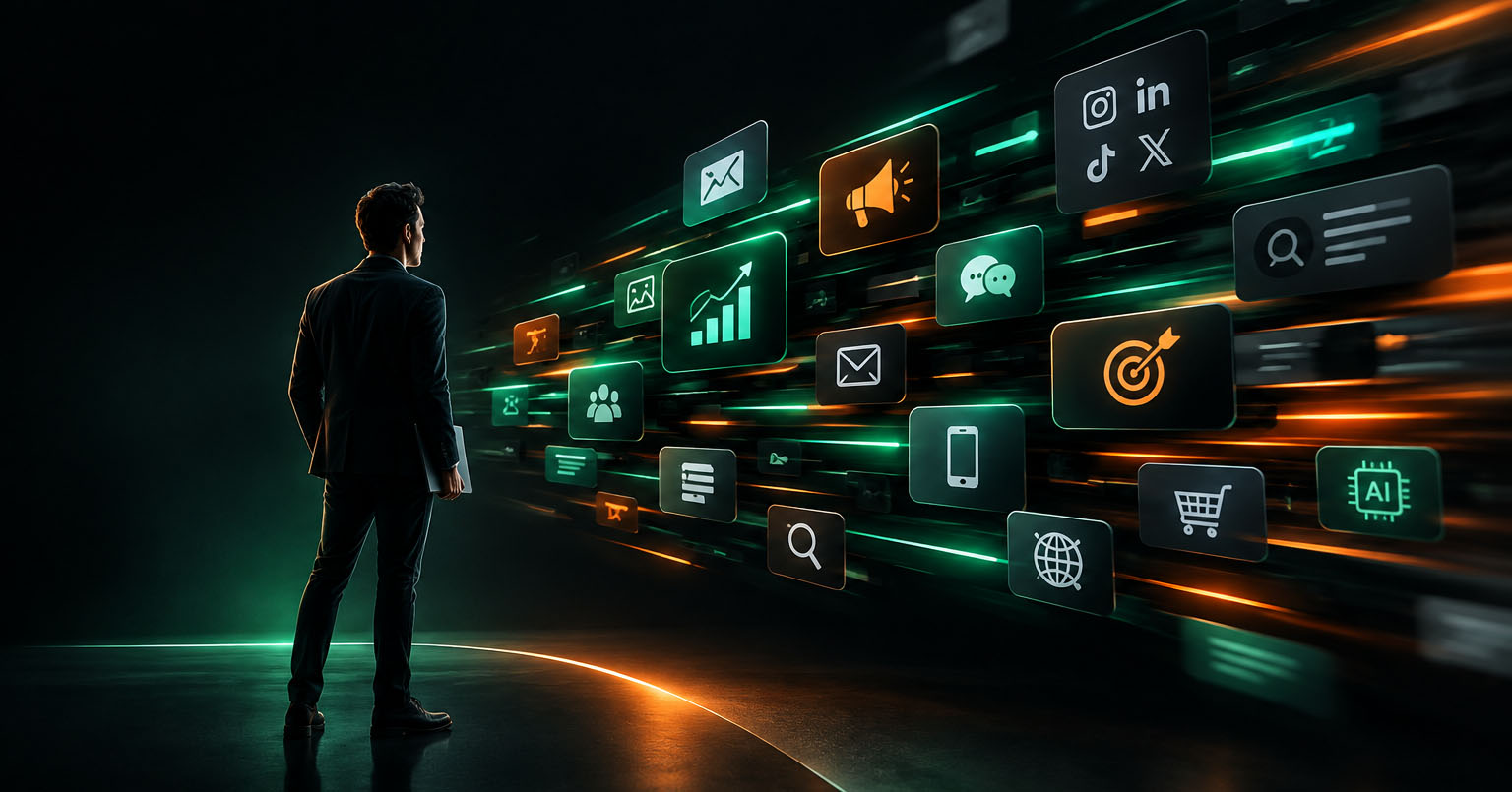
Digital Marketing Is Changing Faster Than Most Businesses Can Keep Up
There was a time when digital marketing could be broken down into familiar channels:
SEO. Social media. Email. Paid advertising. Content. Website.
Today, those channels still matter.
But the way customers move between them is changing.
Google describes today's customer journey as increasingly fluid, with people searching, streaming, scrolling and shopping across connected experiences rather than following a neat linear funnel.
At the same time, AI is changing:
- How people search
- How content is created
- How campaigns are optimized
- How brands personalize experiences
- How marketers analyze data
- How businesses automate workflows
HubSpot's 2026 research found that AI-powered personalization, automation, brand-value-led content and adapting SEO to search changes are among the major priorities for marketers.
So what should businesses actually pay attention to?
Here are 10 digital marketing trends that matter in 2026.
1. AI Search Is Becoming a New Discovery Channel
Search isn't disappearing.
It's becoming more intelligent.
AI Overviews and AI Mode are changing how users interact with search, while queries are becoming longer and more conversational. Google says AI Search is designed to help users explore more complex questions and move more confidently toward decisions.
This means businesses need to think beyond:
“How do I rank for this keyword?”
and start asking:
“How does my brand become part of the answer?”
That requires strong SEO fundamentals, useful content, authority and clear brand information.
2. AI Is Moving From Content Creation to Marketing Intelligence
AI-generated blog posts aren't the interesting part anymore.
The bigger opportunity is using AI to:
- Analyze customer behaviour
- Identify patterns
- Segment audiences
- Personalize experiences
- Optimize campaigns
- Automate repetitive workflows
- Generate insights
- Support decision-making
Google's 2026 marketing developments increasingly focus on AI-powered search, creative, measurement and agentic workflows.
The shift is from “AI makes content” to “AI helps marketing systems work.”
3. Personalization Is Becoming Expected
People don't necessarily want more marketing.
They want more relevant marketing.
That means personalization is moving beyond:
“Hi, Rohit.”
into:
- Relevant product recommendations
- Context-aware content
- Personalized offers
- Segmented journeys
- Dynamic experiences
- Behaviour-based messaging
HubSpot's 2026 research found that 93.2% of surveyed marketers say personalized or segmented experiences have generated more leads or purchases.
But personalization only works when the underlying data is reliable.
4. First-Party Data Matters More
The more digital experiences become personalized and automated, the more important customer data becomes.
Businesses need to understand:
- Who their customers are
- What they interact with
- What they buy
- Where they drop off
- Which campaigns influence decisions
This means CRM, analytics, CDPs, marketing automation and data platforms are becoming increasingly connected.
Data is no longer just a reporting function.
It is becoming part of the experience itself.
5. Content Needs to Work Across More Than One Channel
A piece of content shouldn't necessarily have one life.
A strong idea can become:
Blog → LinkedIn post → Video → Email → Infographic → Sales asset → Website section → AI-search content
This is why content strategy is increasingly about systems rather than individual assets.
The objective isn't simply to publish more.
It's to get more value from every strong idea.
6. Digital Experiences Are Becoming Part of Marketing
Advertising can get someone to your website.
But what happens next?
If the website is slow, confusing or irrelevant, the campaign has already lost part of its value.
Marketing and digital experience therefore need to work together.
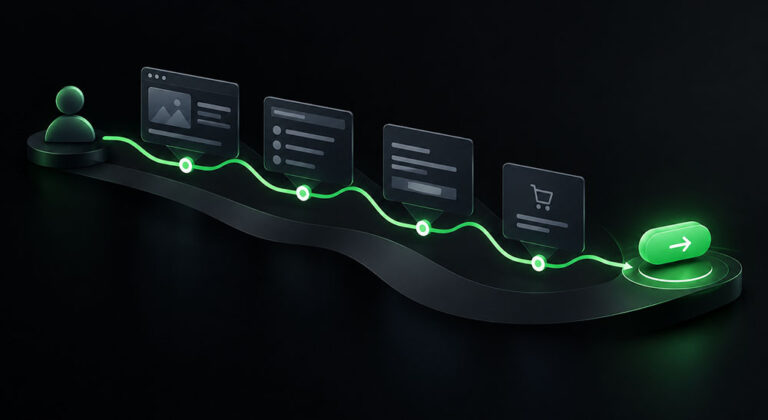
Ad → Landing page → Website → Content → Product → Checkout → Follow-up
Customers experience this as one journey.
They don't care which internal department owns each step.
7. Automation Is Moving Beyond Simple Workflows
Marketing automation used to mean:
If X happens → send Y email.
That's still useful.
But AI and automation are making workflows more sophisticated.
Businesses can increasingly automate processes involving:
- Lead qualification
- Customer segmentation
- Reporting
- Campaign optimization
- Content workflows
- Customer support
- Data enrichment
- Internal approvals
The opportunity is not to automate everything.
It's to automate the repetitive work so teams can spend more time on decisions.
8. Brands Need Distinctive Digital Experiences
AI makes content creation easier.
That creates an interesting problem:
When everyone can create more content, what makes your content recognisable?
Brand becomes increasingly important.
Distinctive:
- Visual identity
- Voice
- Design language
- Content style
- Digital experience
- Customer experience
can help businesses stand out in an environment where generic content is becoming abundant.
9. Measurement Needs to Connect the Full Journey
Marketing teams are under increasing pressure to prove business impact.
It's no longer enough to report:
“We generated 1 million impressions.”
Businesses want to know:
- What happened next?
- Did people visit?
- Did they engage?
- Did they enquire?
- Did they buy?
- Did they return?
- Did the customer become more valuable?
This makes integrated analytics and measurement increasingly important.
10. The Best Marketing Teams Will Connect Everything
This may be the biggest shift of all.
The future isn't:
- SEO vs social
or
- Brand vs performance
or
Marketing vs technology.
The strongest businesses will connect:
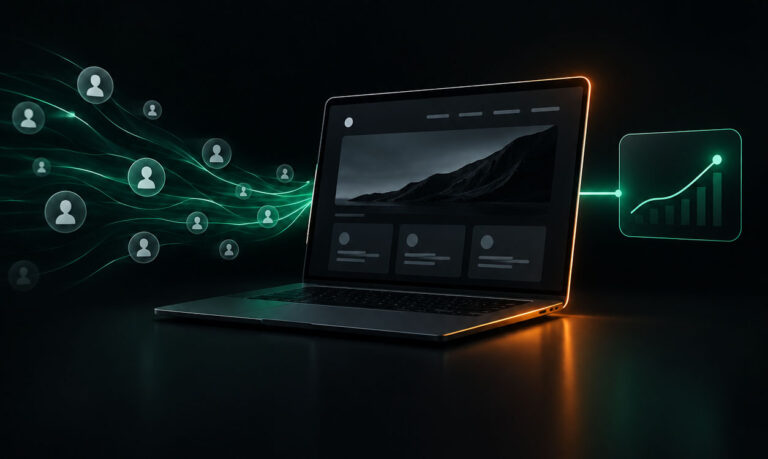
- Brand + Experience + Marketing + AI + Commerce + Data
Google's current marketing direction reflects this convergence, with Search, AI, commerce, creative and measurement increasingly becoming interconnected parts of the customer journey.
What Businesses Should Do Now
You don't need to implement every trend.
Instead, ask five questions:
- 1. Can customers find us through AI-powered search?
- 2. Does our website turn attention into action?
- 3. Are we using customer data to improve experiences?
- 4. Are we automating work that doesn't require human judgment?
- 5. Are our brand, marketing, technology and data working together?
If the answer to several is “no,” the opportunity isn't simply to do more marketing.
It's to build a better-connected digital system.
The Digital Marketing Advantage Is Changing
Digital marketing used to be about mastering channels.
Now it's increasingly about connecting systems.
The businesses that create an advantage won't necessarily be the ones publishing the most content or running the most campaigns.
They'll be the ones that understand how:
- Brand creates recognition.
- Experience creates confidence.
- Marketing creates demand.
- Technology creates scale.
- Data creates intelligence.
- AI creates leverage.
And when those pieces work together:
Marketing becomes a growth system.
How nZeroOne Helps
nZeroOne brings together brand strategy, creative, digital experience, SEO, performance marketing, AI, MarTech, commerce and data to help businesses build connected digital ecosystems.